
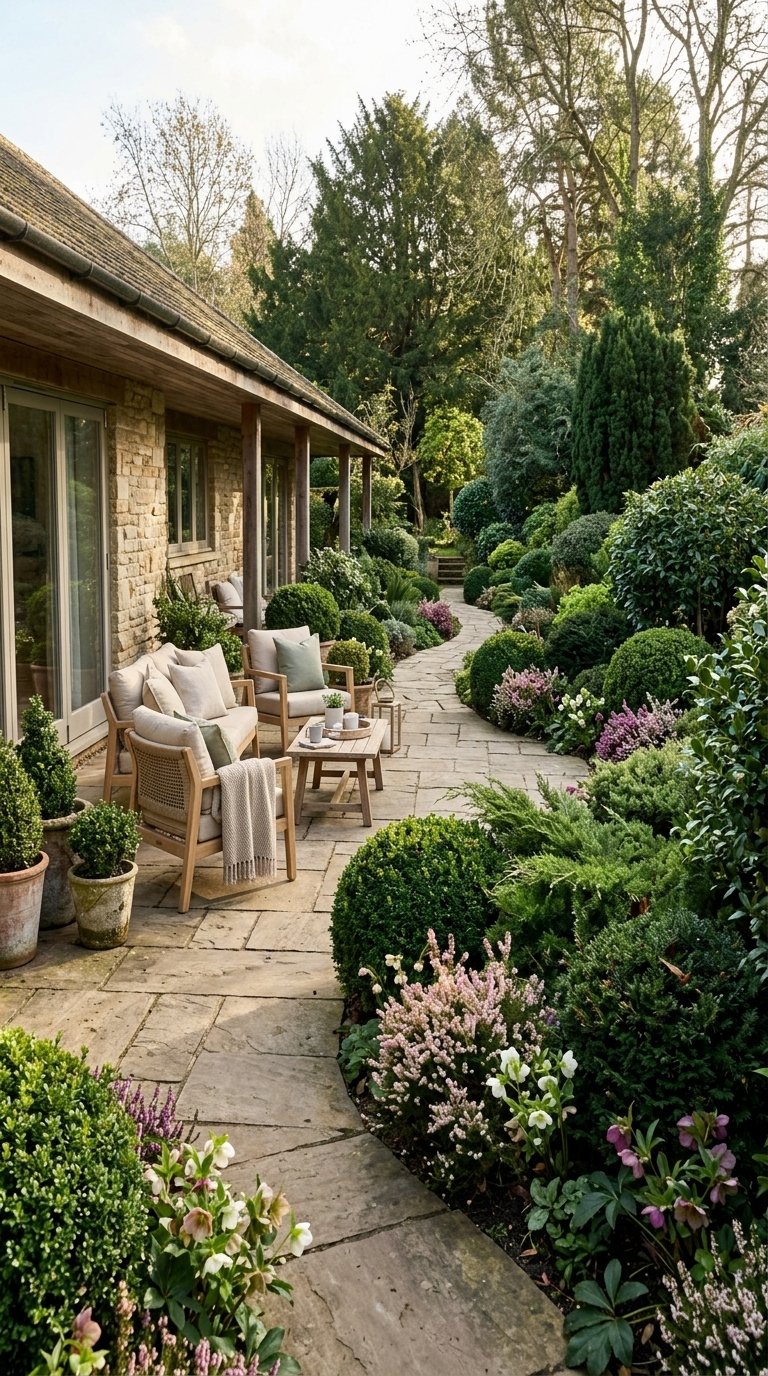
10 Evergreen Garden Ideas That Look Good All Year

I’ve always loved the idea of a garden that feels alive and beautiful, no matter the season. As someone who enjoys creating a welcoming home environment, extending that warmth to the outdoors is a natural step. That’s why I’m such a fan of evergreen garden ideas! They provide structure, color, and visual interest all year long, making your outdoor spaces feel complete and cared for, even when other plants are dormant.
For me, it’s about crafting a continuous visual story from my living room to my patio and beyond. I’ve found that with a little planning and the right plant choices, anyone can achieve a stunning evergreen landscape that truly enhances their home’s aesthetic. From simple container arrangements to more intricate garden beds, these ideas focus on creating lasting beauty with minimal fuss.
In this article, I’m excited to share my favorite ways to incorporate evergreens into your home decor, offering practical tips on how I style them, what materials I prefer, and how you can recreate these looks in your own space. Let’s dive into some truly evergreen inspiration!
Structured Boxwood Hedges Defining Borders
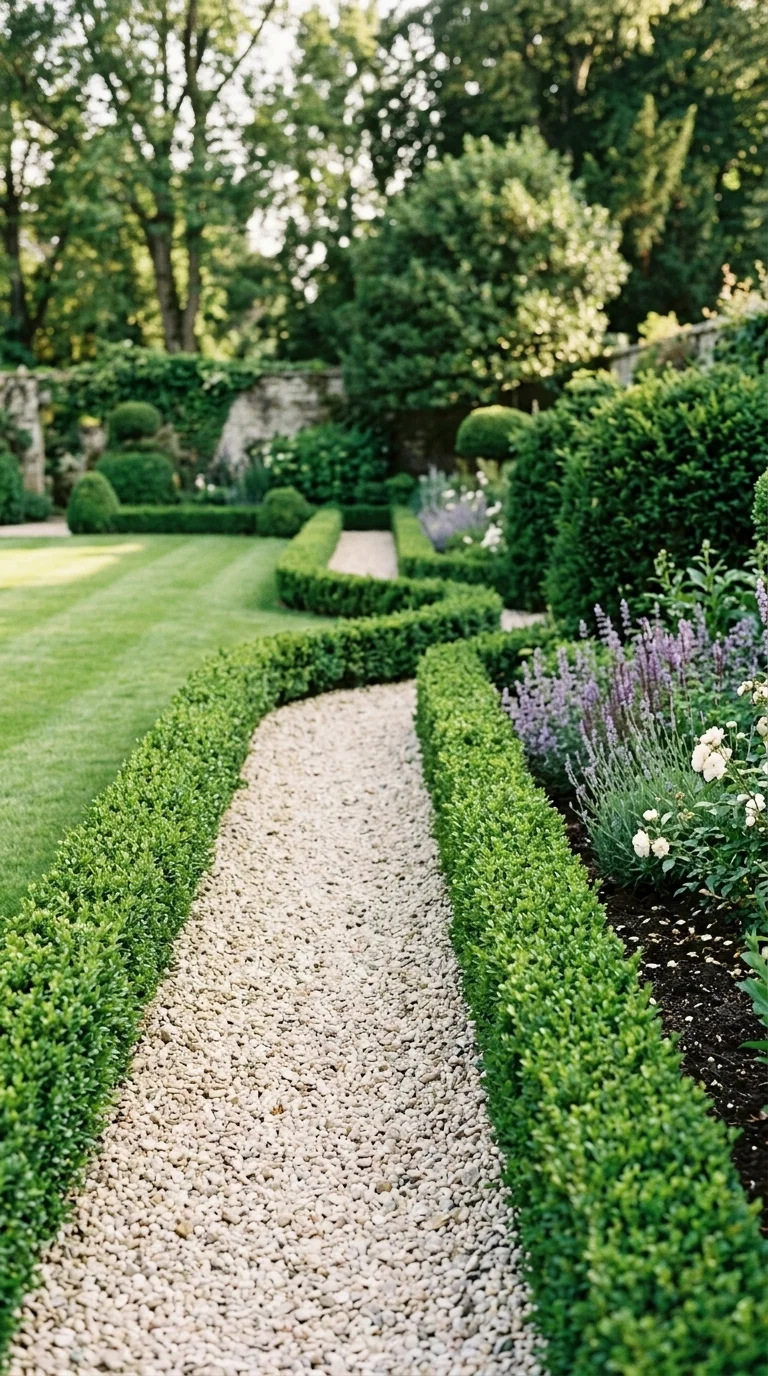
I love using structured boxwood hedges to create clean, elegant borders in my garden. They provide such a sophisticated framework, defining pathways or outlining flower beds with their dense, vibrant green foliage all year round. I prefer the classic English boxwood for its compact growth and rich color, which really pops against lighter stone or gravel paths.
When I’m designing, I always consider the scale; for smaller spaces, a low hedge of ‘Green Mountain’ boxwood works wonders without overwhelming the area. For a more budget-friendly approach, I’d opt for smaller plants and let them grow, or even propagate cuttings if I have the patience! A common mistake is letting them get too leggy, so I always make sure to trim them regularly to maintain that crisp, architectural shape. This simple addition makes any garden feel instantly more polished and inviting.
Layered Conifer Garden Bed
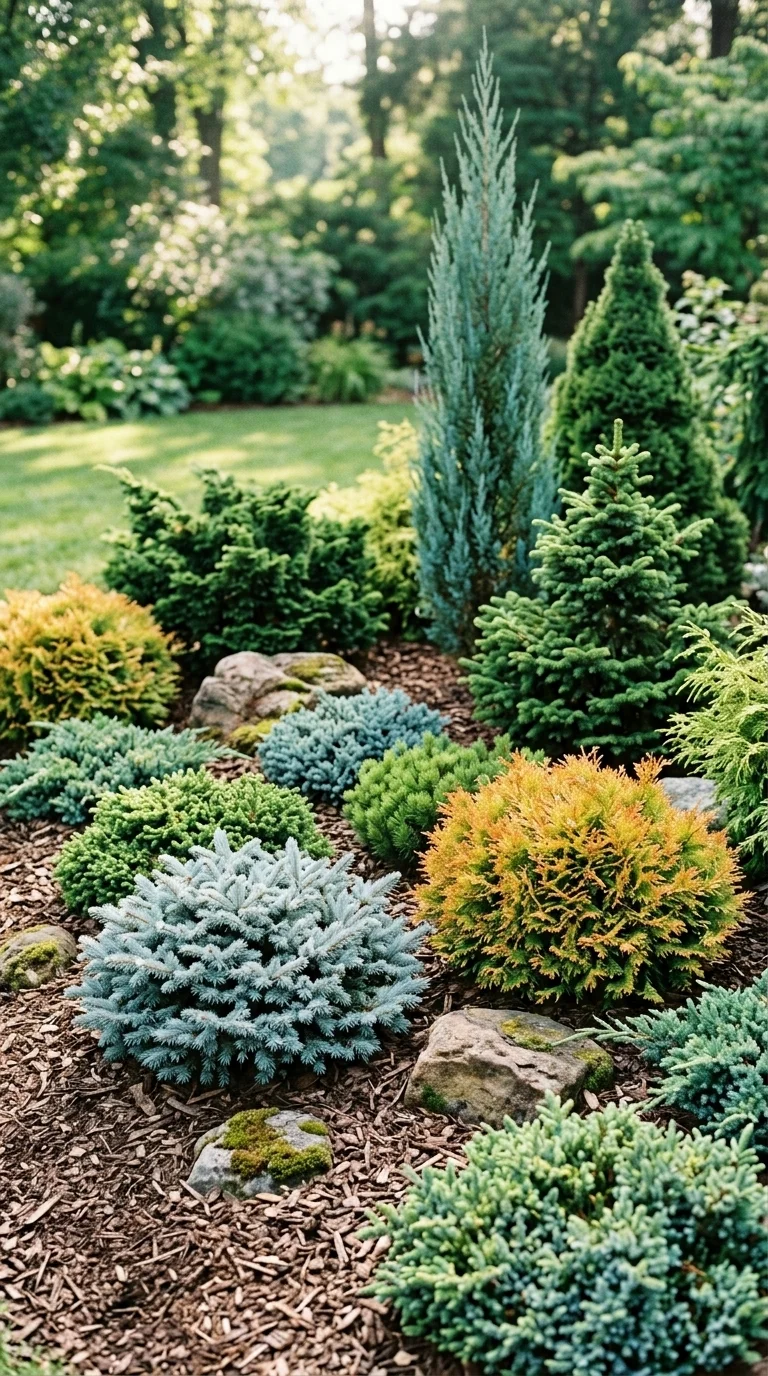
Creating a layered conifer garden bed is one of my favorite ways to add year-round interest and texture to an outdoor space. I love mixing different shades of green, blue-green, and even golden conifers to create a living tapestry that changes subtly with the light. I usually start with taller, more upright varieties in the back, like a ‘Skyrocket’ juniper, and then layer in medium-sized shrubs such as a dwarf Alberta spruce, finishing with low-growing creeping junipers at the front.
I find that varying the textures—from the soft needles of a cypress to the scale-like foliage of an arborvitae—makes the arrangement feel dynamic. For a budget-conscious project, I would focus on a few key varieties and allow them space to grow, rather than buying mature plants. A common mistake is planting them too close together, so I always give them plenty of room to reach their mature size. This layering technique ensures there’s always something beautiful to look at, even in winter.
Evergreen Container Gardens for Patios
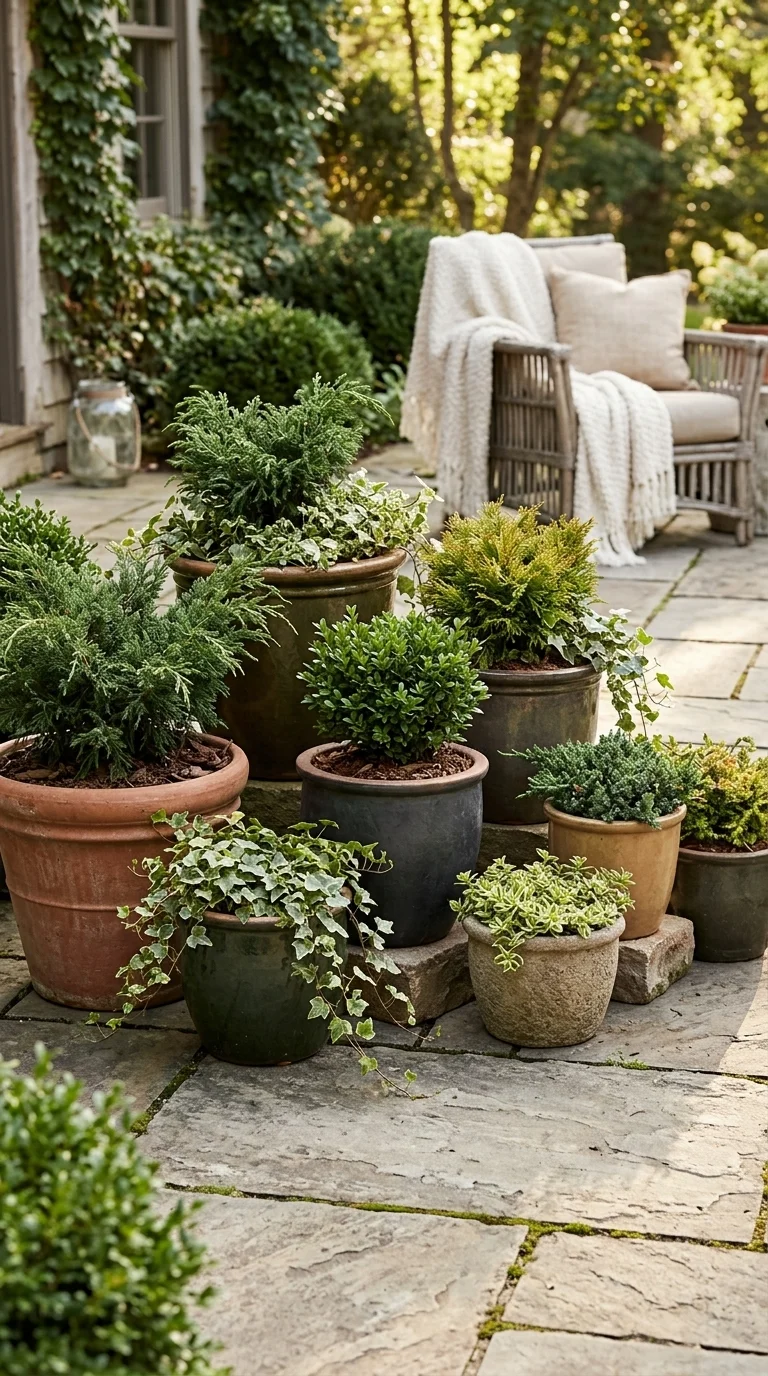
Evergreen container gardens are my secret weapon for bringing life to patios, balconies, or even front doorsteps, especially when space is limited. I love using substantial ceramic or terracotta pots in varying sizes and heights to create a visually interesting arrangement. For the plants, I often choose a dwarf conifer like a ‘Bird’s Nest’ spruce for its unique shape, paired with a compact boxwood for classic structure, and then add some trailing ivy or sedum to spill over the edges.
I prefer a monochromatic green palette for a sophisticated look, but sometimes I’ll introduce a touch of silver foliage from a dusty miller for contrast. A practical tip I’ve learned is to use good quality potting mix and ensure excellent drainage to prevent root rot, which is a common mistake. For a tighter budget, I would select smaller plants and allow them to grow into the containers over time, perhaps even reusing old pots after a good clean. This brings year-round charm right to your doorstep.
Winter Interest with Berry-Producing Evergreens

For me, winter interest is crucial in a garden, and berry-producing evergreens are absolute stars! I always include plants like hollies (Ilex) or pyracantha in my designs because their vibrant red or orange berries provide such a stunning pop of color against the dark green foliage, especially when everything else is dormant. The glossy leaves of a holly, combined with its bright fruit, create a natural festive decoration that lasts for months.
When I’m choosing, I look for varieties like ‘Blue Princess’ holly for its abundant red berries. A practical tip is to ensure you have both male and female holly plants if you want berries, as only the female plants produce them. A common mistake is planting just one without a pollinator nearby. For a smaller space, a dwarf holly in a prominent container can achieve the same effect. These plants not only look beautiful but also provide food for birds, which is a lovely bonus.
Evergreen Groundcover for Lush Pathways
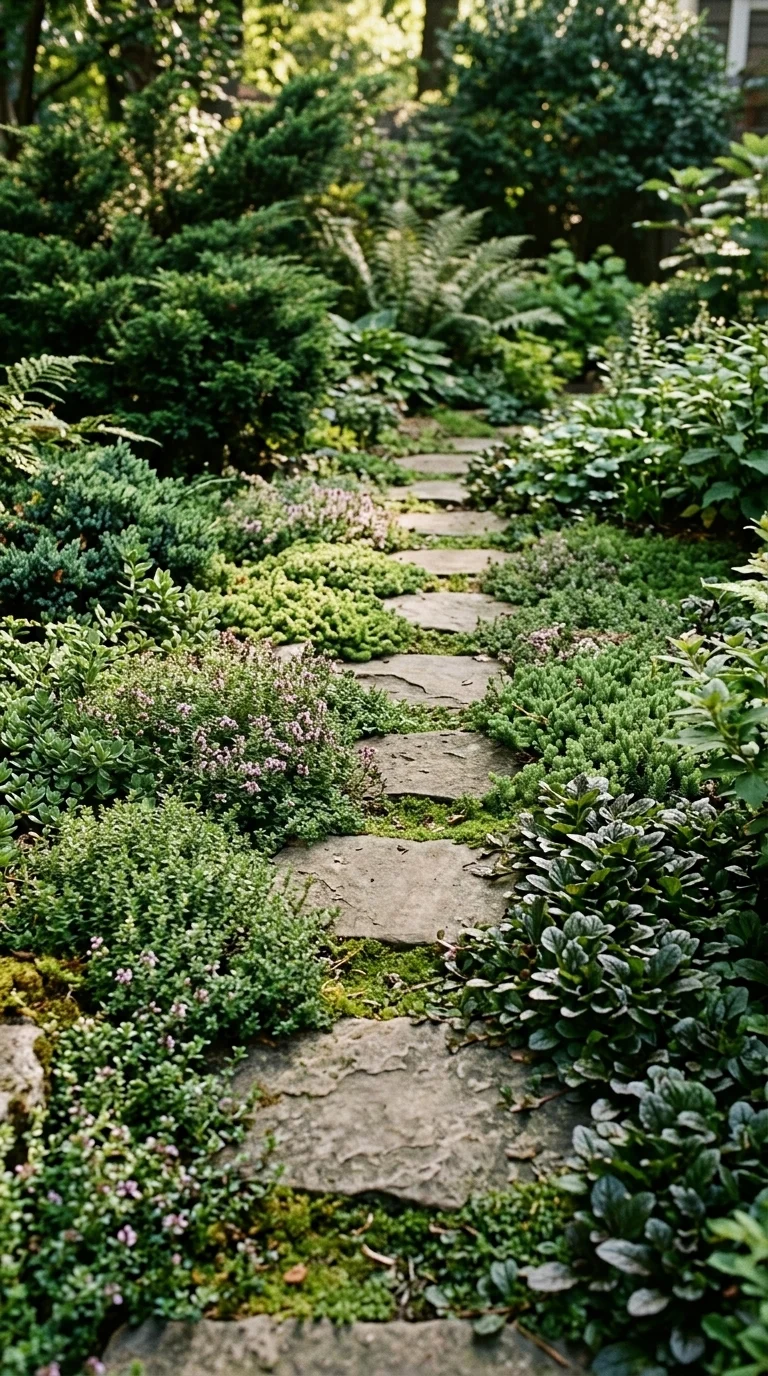
I love how evergreen groundcovers can transform a simple pathway into a lush, inviting journey through the garden. Instead of bare soil or mulch, I prefer to use varieties like creeping thyme, sedum, or ajuga to soften the edges of stepping stones or fill in gaps between pavers. Their low-growing nature means they won’t impede foot traffic, and their constant green adds a wonderful sense of continuity and texture all year long.
For a cottage garden feel, I’d choose a fragrant creeping thyme that releases a lovely scent when stepped on. A practical tip is to ensure the groundcover you choose can tolerate some foot traffic if it’s directly on the path. A common mistake is planting varieties that get too tall and require constant trimming. For a budget-friendly option, I’d buy a few starter plants and allow them to spread naturally, or even divide existing clumps from friends. This creates a soft, verdant carpet that always looks fantastic.
Architectural Evergreen Topiaries as Focal Points
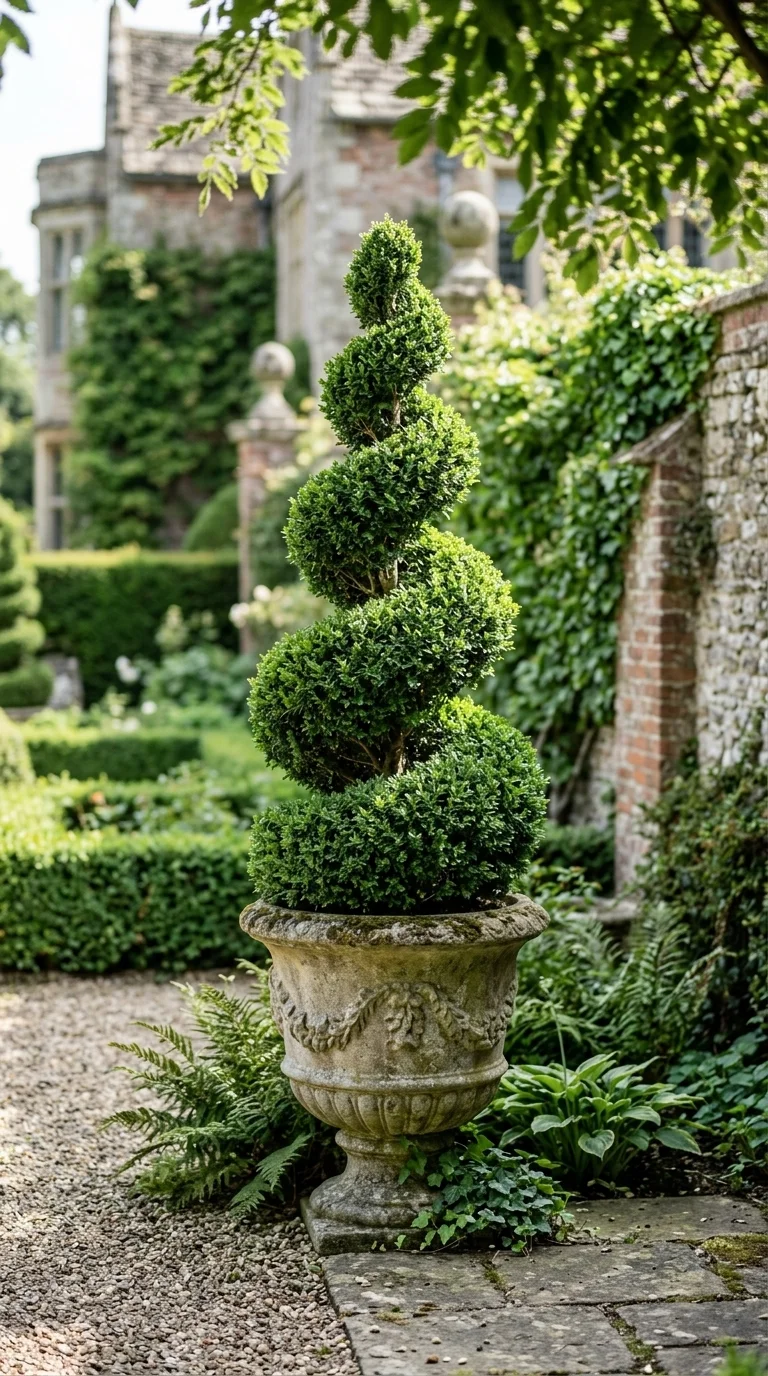
I truly believe that architectural evergreen topiaries are game-changers for adding instant sophistication and a strong focal point to any garden or entryway. Whether it’s a classic spiral boxwood or a whimsical pom-pom shaped conifer, these living sculptures bring such an elegant, formal touch that looks incredible all year. I often place them in large, statement planters by my front door or at key intersections in my garden design.
For a more formal look, I prefer a pair of matching topiaries flanking an entrance. A practical tip for maintaining them is regular, light pruning to keep their shape; a common mistake is letting them grow out too much before attempting a drastic trim. If budget is a concern, I would buy a smaller, less intricate topiary and nurture it, or even try shaping a common evergreen shrub myself over several seasons. The precise form and evergreen nature ensure they always look ‘dressed up’.
Privacy Screens with Tall Evergreen Shrubs
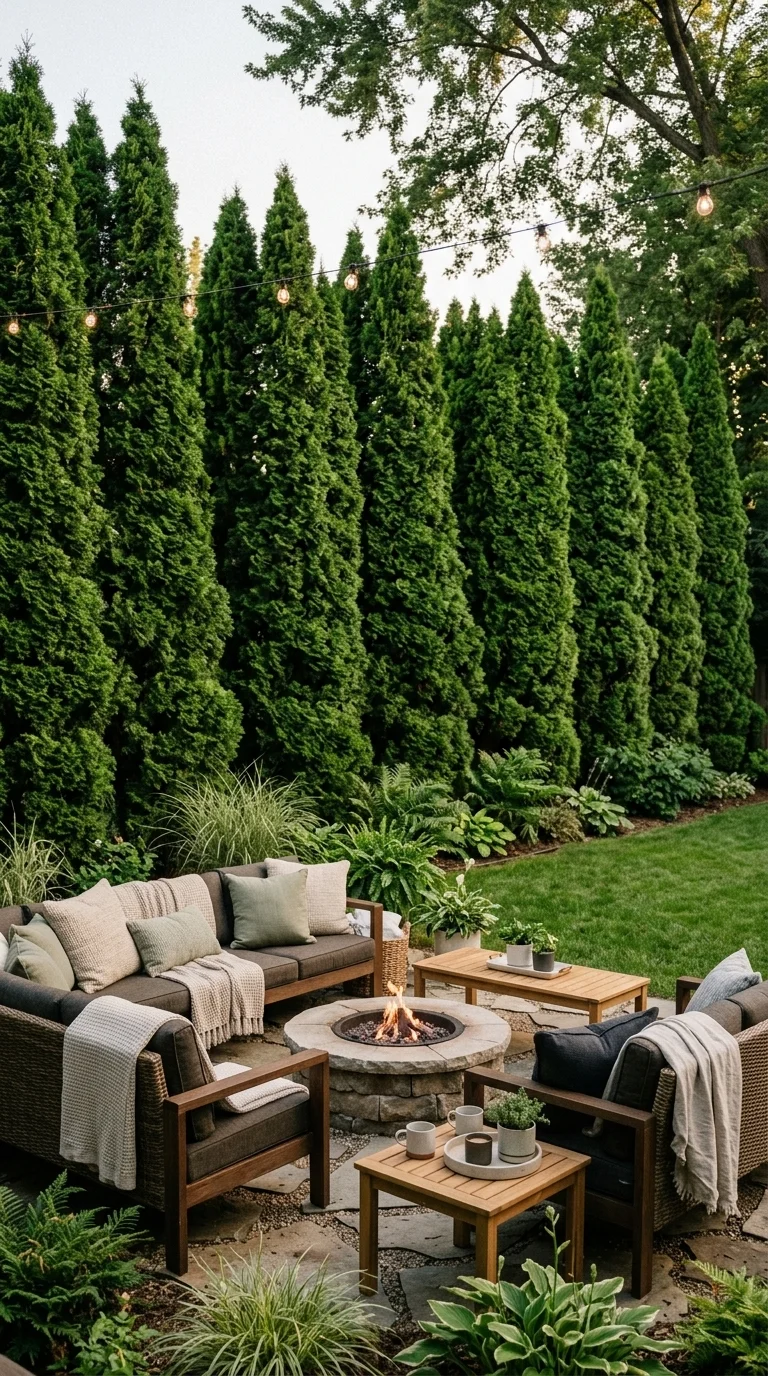
Creating privacy screens with tall evergreen shrubs is one of the most practical and beautiful ways I’ve found to enhance a backyard. I love how they provide a lush, green backdrop that offers year-round seclusion, turning an exposed space into a cozy outdoor room. My go-to choices are ‘Emerald Green’ arborvitae or Skip Laurel because they grow relatively quickly and maintain a dense form, creating an effective visual barrier.
When I’m planning, I make sure to space them correctly to ensure they grow into a solid wall without becoming overcrowded. A practical tip is to consider their mature size and width before planting to avoid future issues. A common mistake is planting them too far apart, which leaves gaps for years. For a more budget-friendly option, I would buy smaller plants and be patient; they will grow! The constant green provides a calming atmosphere and makes the garden feel more intimate.
Rock Garden with Alpine Evergreens
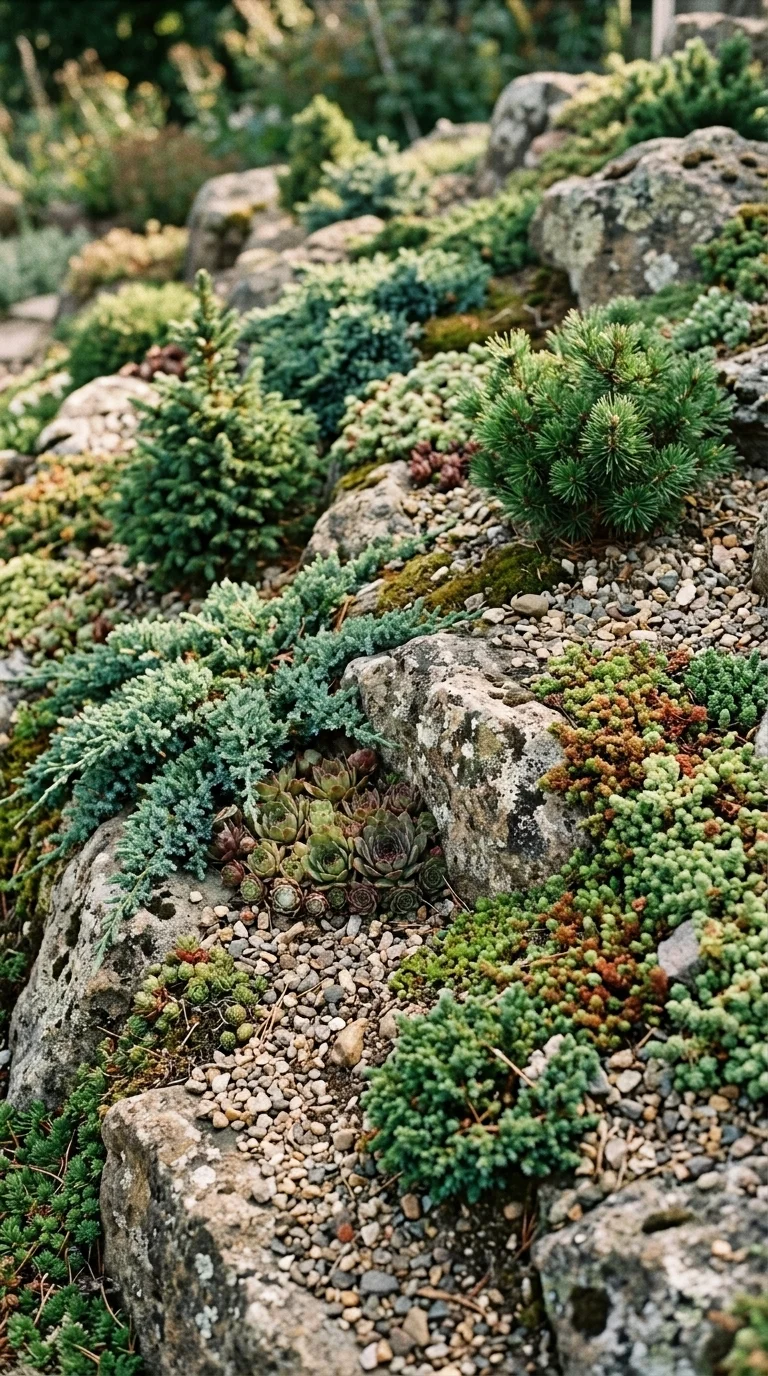
I adore rock gardens, and pairing them with alpine evergreens creates such a charming, low-maintenance display that looks fantastic all year. It’s like crafting a miniature landscape! I usually select a variety of natural stones, arranging them to create crevices and pockets for planting. Then, I fill these with dwarf conifers like ‘Blue Star’ juniper, various sedums, and sempervivums (hens and chicks), which thrive in lean, well-drained soil.
I love how the different textures and shades of green and silver-blue foliage contrast with the ruggedness of the rocks. A practical tip is to ensure excellent drainage, as alpine plants hate wet feet; I always incorporate plenty of grit into the soil mix. A common mistake is overwatering. For a budget-friendly approach, I’d collect interesting rocks from my property or a local landscape supply and start with small, inexpensive alpine plant plugs. This creates a visually rich and surprisingly robust garden feature.
Fragrant Herb Garden with Rosemary and Lavender
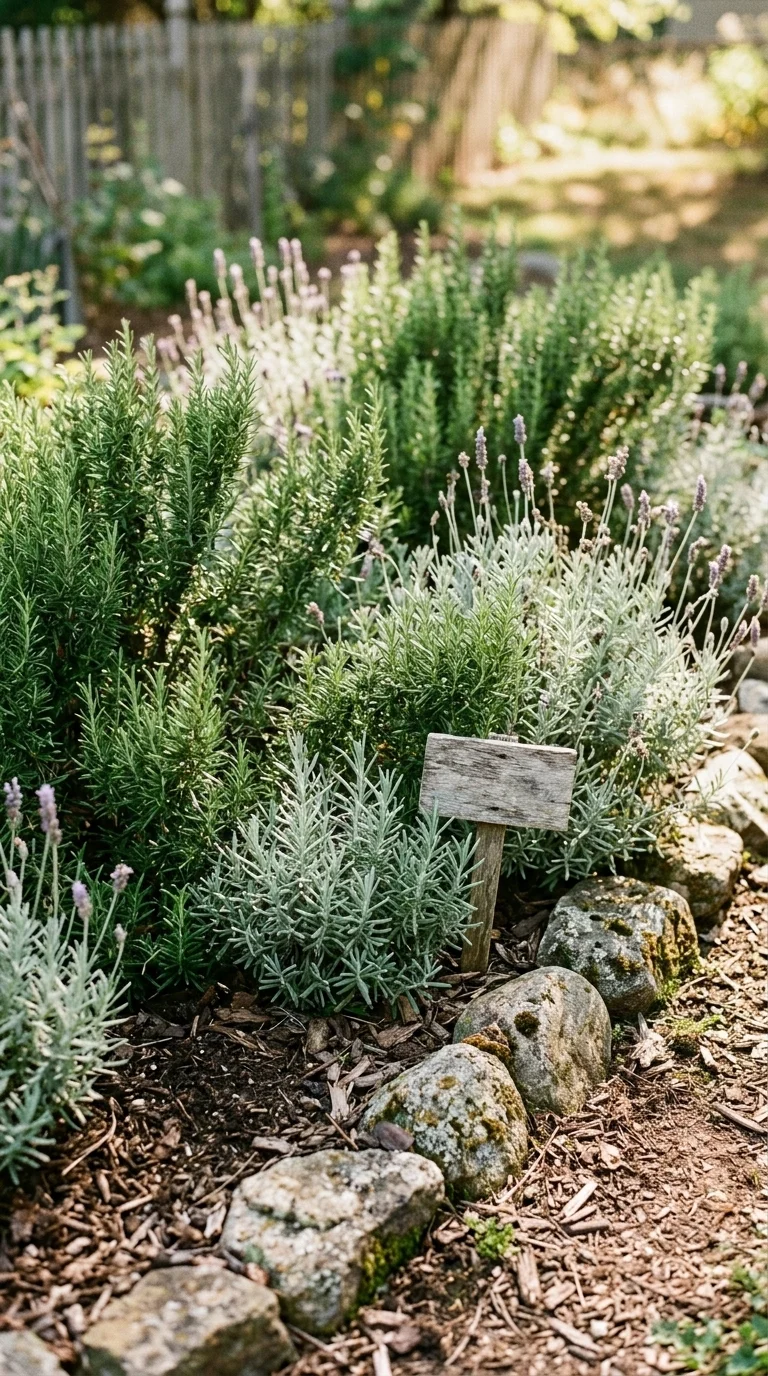
For a garden that engages more than just the eyes, I always incorporate fragrant evergreens like rosemary and lavender. These aren’t just beautiful; their scents are incredibly inviting and calming. I love planting them near a patio or pathway where their aroma can be enjoyed as I brush past them. Rosemary, with its woody stems and needle-like leaves, offers a robust green presence, while lavender’s silvery-green foliage provides a softer, complementary texture.
I find the combination of their different greens and the promise of purple blooms (even if fleeting) truly appealing. A practical tip is to ensure they have plenty of sun and excellent drainage, as they both prefer drier conditions. A common mistake is overwatering, which can lead to root rot. For a budget-friendly option, I’d start with small plants or even propagate rosemary from cuttings. This creates a sensory delight that looks good and smells amazing all year.
Evergreen Espalier Against a Wall
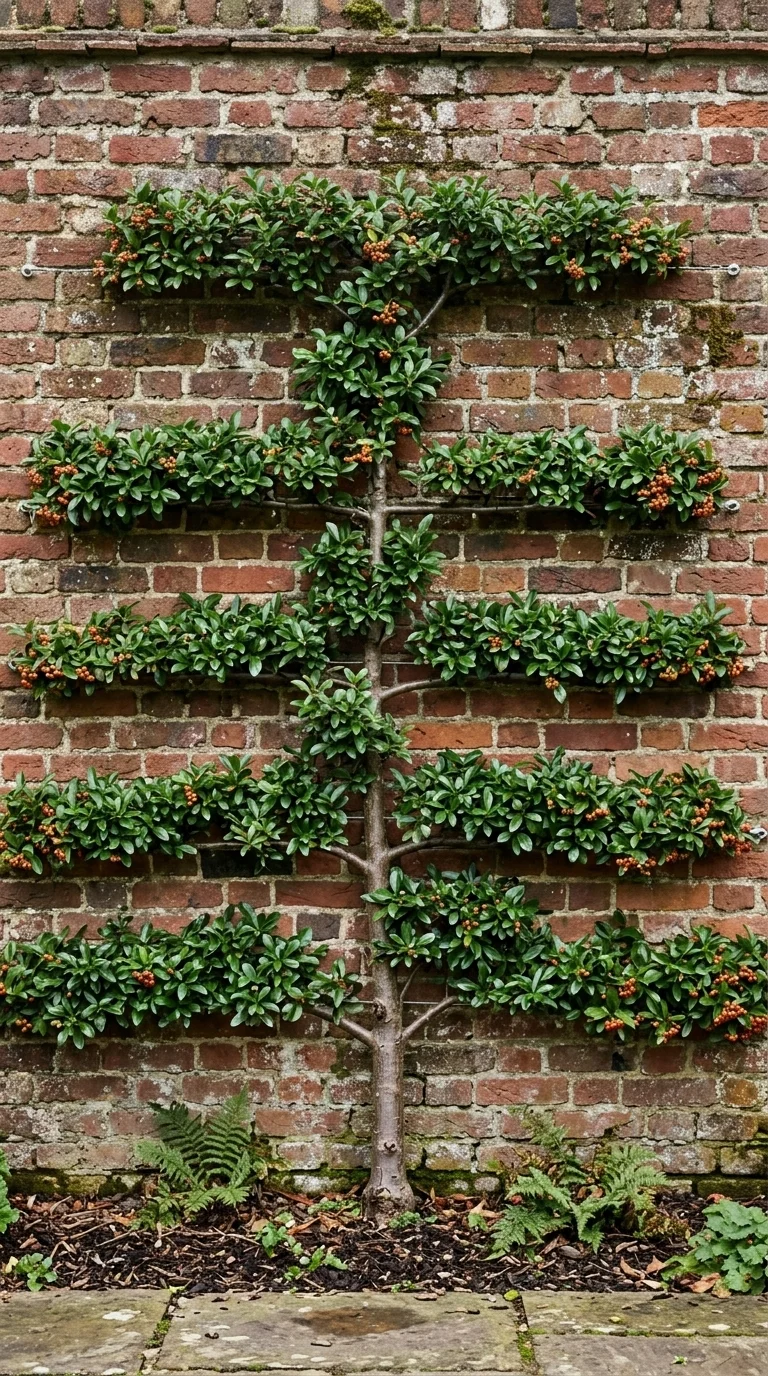
An evergreen espalier is a truly artistic way to incorporate year-round green into a garden, especially when you have limited space or a bare wall that needs some love. I adore how a plant like a camellia or pyracantha can be trained flat against a wall or fence, creating a living piece of art with its glossy leaves and intricate branch patterns. It’s such an elegant solution for adding vertical interest.
I usually choose a sunny, sheltered wall for this, ensuring the plant has good support like wires or a trellis. A practical tip is to start with a young plant and begin training early, gently guiding branches along the support structure. A common mistake is trying to force mature branches into position, which can damage them. For a budget-conscious project, I’d select a fast-growing, inexpensive evergreen shrub and be patient with the training process. The visual impact of this green artwork is stunning throughout all seasons.


One Comment